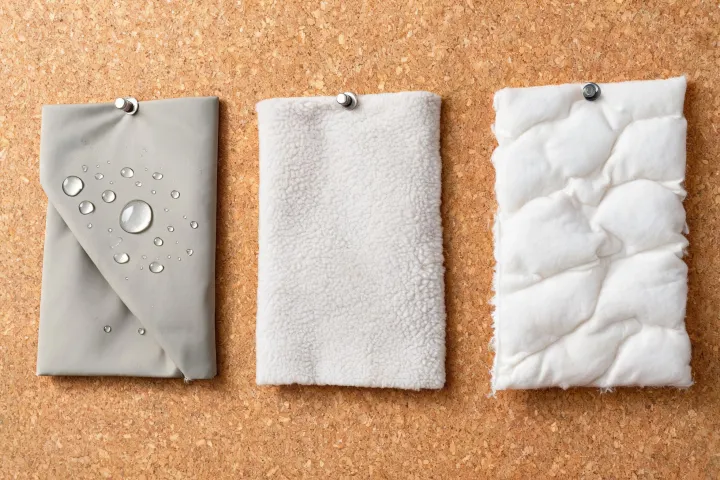
Outdoor layering
Wind, precipitation, movement level and shell permeability alter the thermal and moisture balance. Review hydrostatic head and moisture vapor transmission rate as shell-system data, not insulation-only claims.
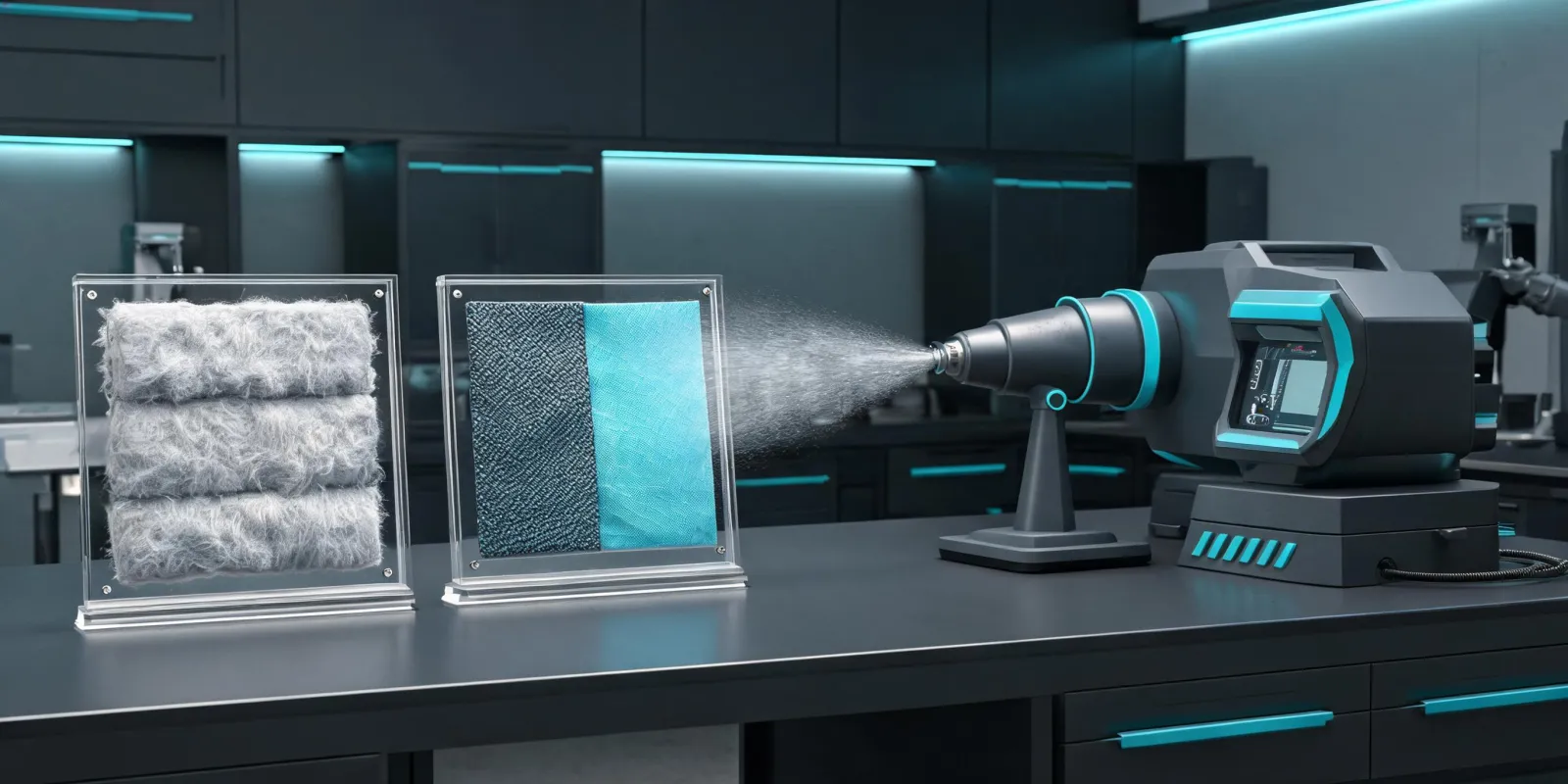
IND-FTX-A · application verticals
Use the application to define the exposure, construction and evidence question. Do not infer finished-system performance from the ingredient label alone.
Finished articles are shown only as end-use contexts. The products under review remain insulation, fabric, yarn and related material technologies.
Wind, precipitation, movement level and shell permeability alter the thermal and moisture balance. Review hydrostatic head and moisture vapor transmission rate as shell-system data, not insulation-only claims.
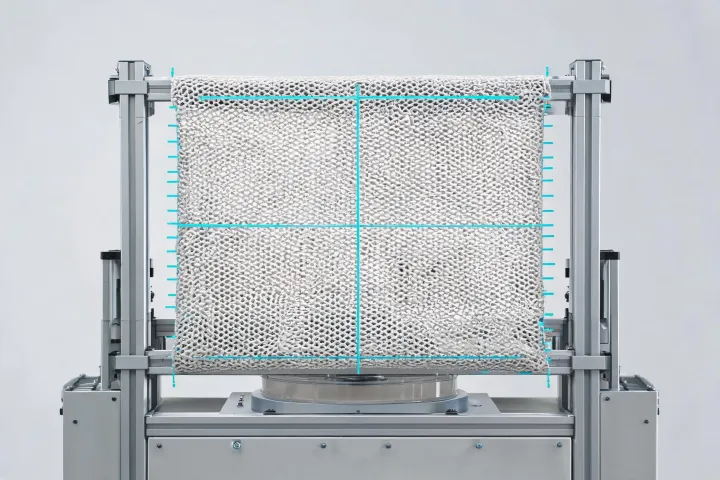
Air permeability, stretch, drying route and face-fabric pairing matter when activity varies. Too much resistance can trap moisture; too little can reduce protection in exposed conditions.
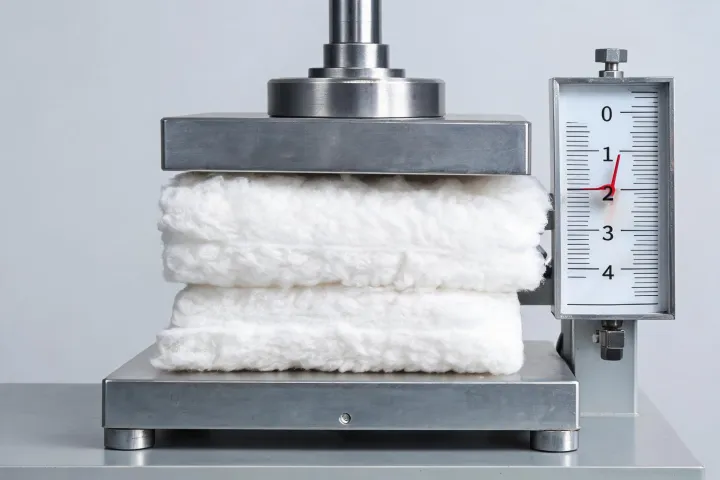
Contact pressure and flexing reduce effective loft. Targeted Aerogel or other constructions need placement, thickness and adjacent-material review rather than a broad warmth statement.
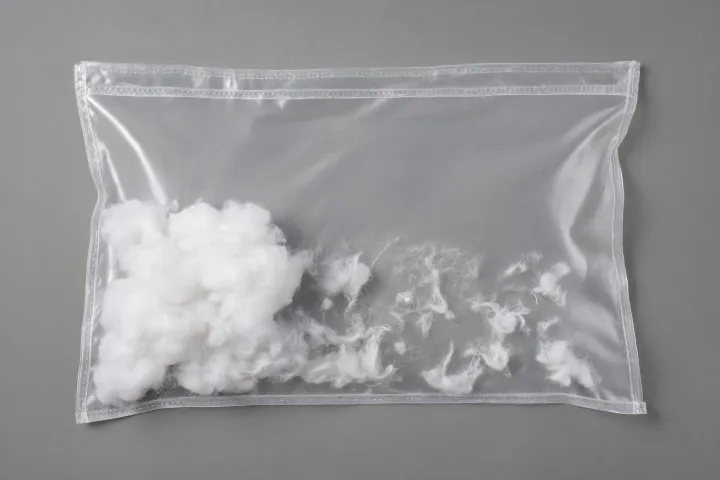
Chamber geometry, migration control, casing permeability and laundering can dominate the result. ThermoPlume and related concepts must be read within the final construction.
Performance requirements
A useful brief states which loss is acceptable. A more breathable assembly may exchange wind resistance; a highly protective shell may slow moisture transport. A lower-bulk zone may compress insulation and require a different thermal strategy.
Recycled feedstock can support a material goal, while consistency, chain of custody and exact percentage still require product-specific evidence. Virgin and recycled inputs should not be treated as identical environmental claims or as automatic predictors of field performance.
Read with basis weight, thickness, compression, coverage and boundary conditions.
Separate insulation behavior from membrane, coating, liner and seam effects.
Define flexing, laundering, abrasion and expected service cycle before selecting a method.
Tie recycled content, BIO or manufacturing statements to the named product scope.
The rows are engineering questions, not published performance values. Confirm candidate-specific data through current official documentation.
| Design condition | Family direction to investigate | Evidence still required |
|---|---|---|
| Traditional sheet insulation architecture | Gold, Silver or Black named construction | Exact variant, weight, thickness, care and assembly test |
| High air exchange during movement | Active or Active Evolve platform | Air permeability of the full layer system and exposure limit |
| Loose-fill chamber design | ThermoPlume platform | Fill distribution, migration, loft recovery and casing behavior |
| Targeted thermal barrier under compression | Aerogel-related construction | Placement, thickness, pressure, flex and adjacent layer data |
| Fabric-like thermal layer | NEXT textile platform | Drape, stretch, dimensional stability and integration route |
Provide the layer stack, use environment and the decision that the evidence must support.